 Chairperson
Dr. Huda Al Quraishi
Consultant Gastroenterologist and Hepatologist
Rashid Hospital
The Future of Liver Medicine
An exclusive regional mentorship program where hepatology expertise, expert mentorship and multidisciplinary collaboration converge to shape the future of liver care in the GCC and Middle East.
Save the date
31 October – 1 November 2026
Dubai, United Arab Emirates · In-Person Mentorship Program
9
Scientific Pillars
5
Core Clinical Themes
GCC
Regional Mentorship Program
CME
Accredited Program
A new kind of program
The Hepatology Mentorship Program is MedicalMinds MEDCOM's flagship hepatology education platform for the GCC and Middle East. Unlike conventional CME meetings, it is designed as an immersive mentorship program combining scientific excellence, expert mentorship, multidisciplinary collaboration, real-world case discussions and practical clinical decision-making.
Learn directly from leading faculty through structured mentoring, not one-way lectures.
Real-world liver cases, interactive discussion and practical workshops.
Hepatology, imaging, pathology, oncology and transplantation connected around one patient.
Evidence-based decision making with a clear focus on implementation across the GCC.
Steering leadership
The steering committee leads shaping the program's vision.
Chairperson
Consultant Gastroenterologist and Hepatologist
Rashid Hospital
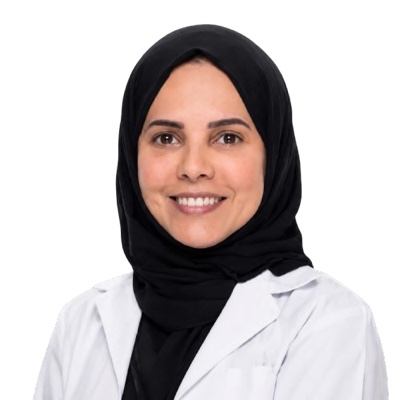 Chairperson
Consultant Gastroenterologist and Hepatologist
Rashid Hospital
Connected liver intelligence
From metabolic liver disease to transplantation, every pillar stands on its own and feeds the others, spanning the full continuum of modern hepatology.
MASLD and MASH, non-invasive fibrosis assessment, evolving treatment pathways, and smarter patient identification and referral.
HBV screening, HCV elimination and linkage to care, long-term monitoring, emerging therapies and public health implementation.
Cirrhosis, portal hypertension, hepatic encephalopathy and decompensation, with clear referral pathways toward transplantation.
HCC surveillance, early diagnosis and staging, locoregional and systemic treatment pathways, and longitudinal follow-up.
Autoimmune hepatitis and cholestatic liver diseases: early diagnosis, referral criteria and long-term management.
Transplant evaluation and referral timing, candidate selection, and long-term post-transplant care and follow-up.
Modern liver imaging, standardized reporting and image-guided interventions across benign and malignant disease.
Biopsy interpretation, grading and staging, and clinicopathologic correlation that changes management.
Tumor-board decision making uniting hepatology, oncology, radiology, pathology and surgery around one plan.
Strategic framework
The detailed agenda is being finalized with the steering committee. Here is the format the program is built around; the full session-by-session program will be published here.
Focused updates on what has changed in hepatology and what it means for the clinic.
Small-group, specialist-led workshops built around real-world liver cases.
Hepatology, imaging, pathology and transplant perspectives around one patient, one plan.
Structured mentoring, experience sharing and open ask-the-expert discussion.
The full agenda will be announced soon. Subscribe for updates and it will land in your inbox the moment it is published.
SubscribeWho should attend
Designed first for hepatologists and gastroenterologists, and open to every specialty involved in the diagnosis, management and follow-up of liver disease.
Hepatologists
Primary audience
Gastroenterologists
Primary audience
Internal Medicine Physicians
Gastroenterology and Hepatology Fellows
Liver Transplant Physicians
Radiologists
Pathologists
Recognition
The program is CME accredited. Continuing Medical Education credit details will be shared with the final program.
Participants receive a certificate from the American Institute of Healthcare and Hospital Management (AIHC).
Organized by
Part of the MM Group